
Child Labor Risk in the Mango Value Chain - Piura
Peru
Objective
Identify and map child labor risk activities in mango cultivation in Piura; make visible the structural factors that influence the participation of children and adolescents; analyze institutional capacities for prevention and eradication; map existing interventions and donors to identify synergies for a later phase; and provide evidence for public policy and improvements in production practices.
Problem Statement
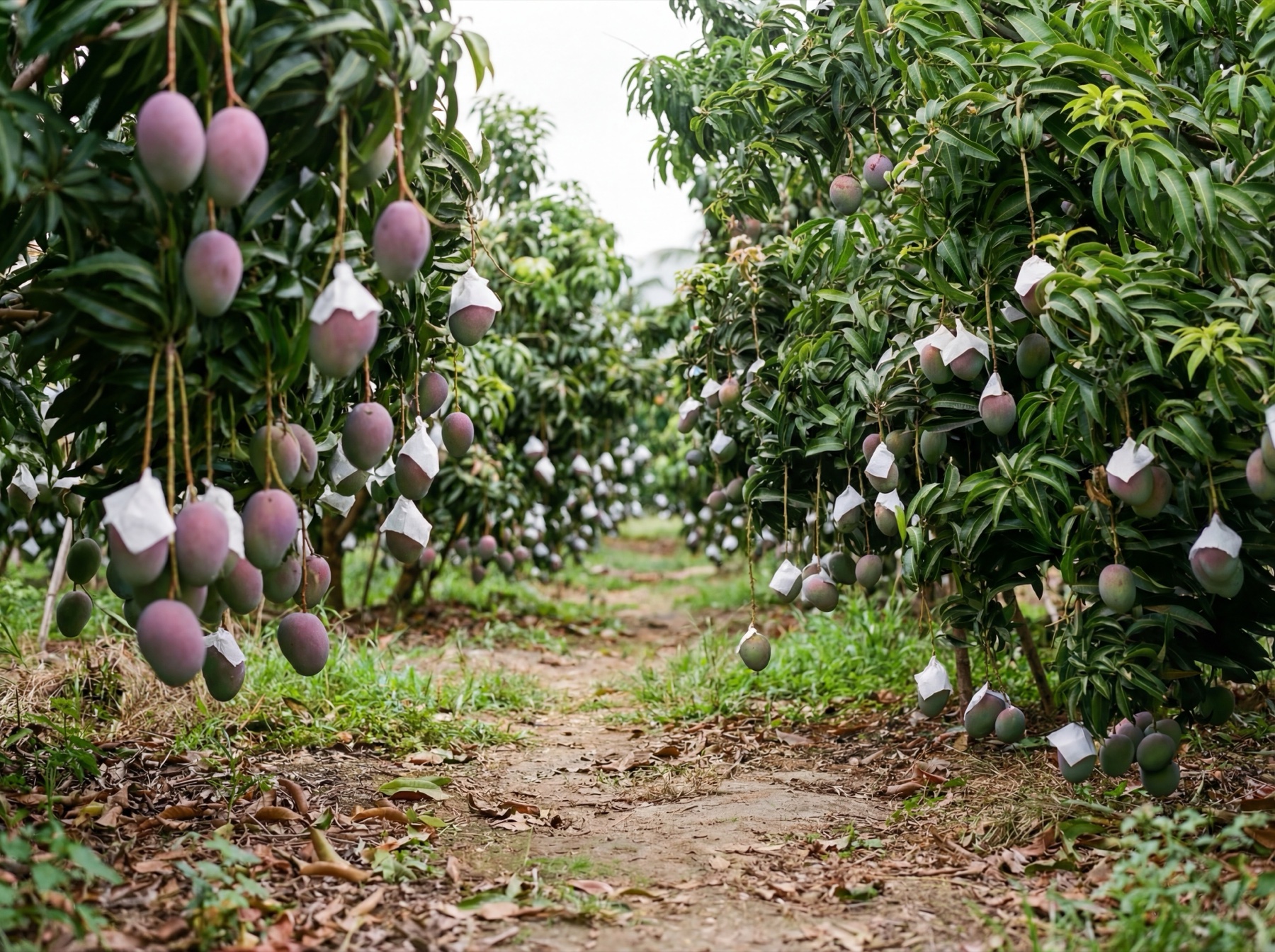
Piura's mango agro-export chain presents child labor risks in the primary production and collection/post-harvest links. Piura produces more than 65 % of Peru's mango and concentrates more than 10,500 producers linked to the chain, many of them family farmers outside certification schemes.
Low traceability, labor informality, rural poverty and the normalization of family support increase the likelihood that children and adolescents will participate in agricultural tasks. The entry into force of the European Union Corporate Sustainability Due Diligence Directive (CSDDD) raises compliance standards across the supply chain, including small producers without direct contractual links to exporters.
The risk appears most clearly during harvest, weeding and post-harvest field cleaning. Its main educational effect is seasonal school absenteeism, which worsens performance and increases medium-term dropout risk, especially in rural secondary education.
Components and Activities
The study combined document review and fieldwork in mango-producing districts of Piura. The methodology included participatory workshops, focus groups and in-depth interviews with productive, educational and institutional actors.
Activities carried out:
- Participatory workshop with 34 independent producers from Villa Batanes, Chulucanas.
- Focus group with 5 producer members of the Cooperativa Agraria de Productores Agropecuarios de Pedregal (CAPAPE), in Tambo Grande.
- In-depth interview with the Piura Regional Directorate of Agriculture (DRAP).
- Focus group with 5 teachers from UGEL Piura.
- Workshop with 16 regional officials from the Regional Steering Committee for the Prevention and Eradication of Child Labor (CDRPETI).
- Workshop with 25 local government officials from the Municipality of Chulucanas.
The value-chain scope focused on primary production and collection/post-harvest. It did not include processing, export or commercialization.
Target Group
The study worked with 85 key actors in the mango value chain in Piura.
- 34 independent producers.
- 5 producers from a certified cooperative.
- 16 regional officials linked to the CDRPETI.
- 25 municipal officials.
- 5 teachers from schools in producing areas.
Partners and Counterparts
The study was developed with the participation of institutional, productive and educational actors linked to the mango value chain in Piura.
- Cooperativa Agraria de Productores Agropecuarios de Pedregal (CAPAPE).
- Piura Regional Directorate of Agriculture (DRAP).
- UGEL Piura.
- Regional Steering Committee for the Prevention and Eradication of Child Labor (CDRPETI).
- Municipality of Chulucanas.
- Independent producers from Villa Batanes.
Financing Organizations
SESAM / Agriculture Department.
Highlighted Results
Key findings
- 3 stages concentrate child labor risk: harvest, weeding and post-harvest field cleaning.
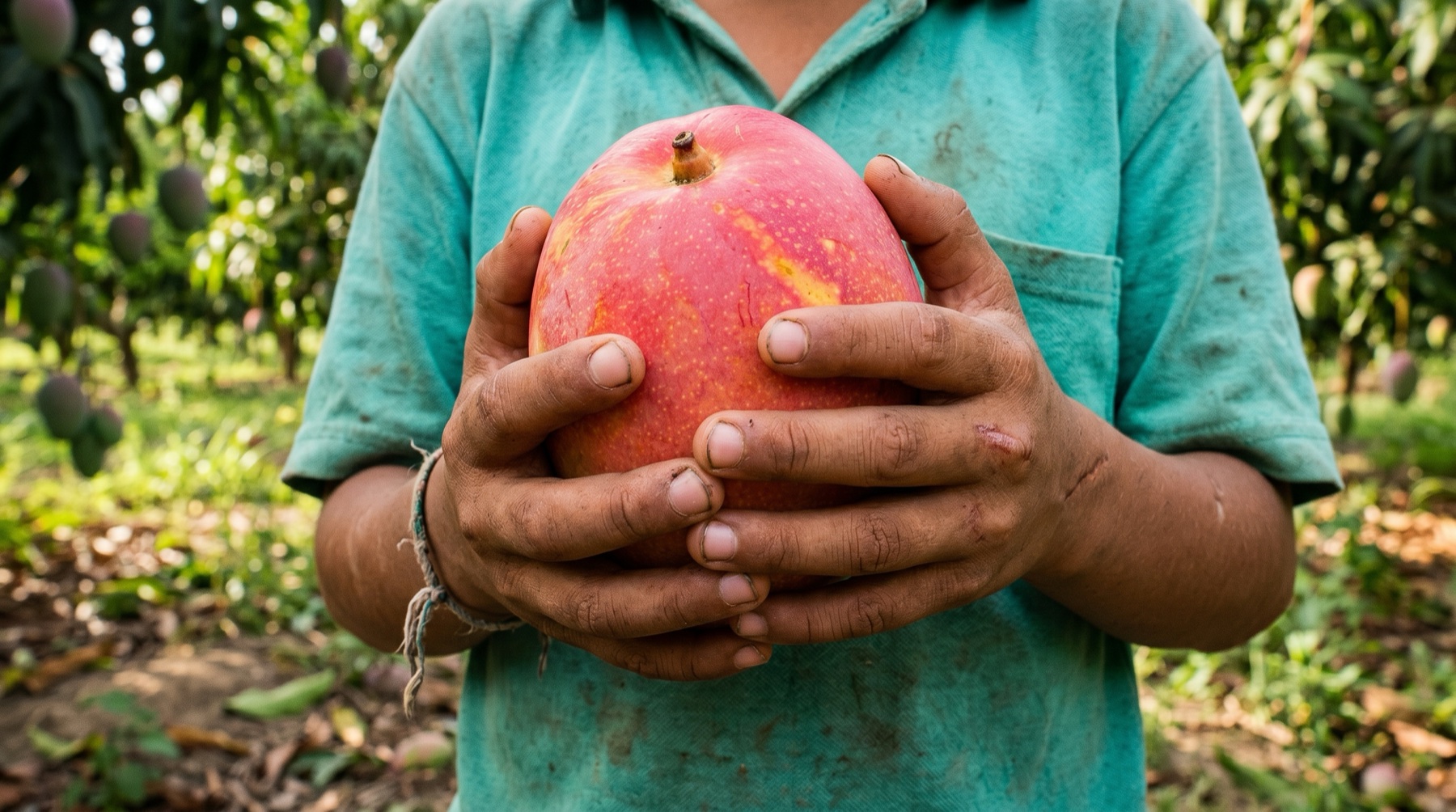
- Ages 15 to 17 are the most exposed group, with participation in picking, crate hauling and fruit transport.
- Ages 12 to 14 appear as a support group in weeding and manual selection, especially on non-certified farms.
- Children under 12 participate sporadically in collecting fallen fruit during field cleaning.
- 85 key actors participated in the study, including producers, teachers, regional officials and municipal officials.
- Certified cooperatives such as CAPAPE act as a barrier against child labor through Fairtrade, organic and GlobalG.A.P. requirements, although their coverage is limited compared with the broader producer base.
- The regional CDRPETI presents critical gaps: lack of a sector-specific focus on mango, insufficient technical capacities, informal coordination and limited resources for territorial action.
Recommendations
- Formulate a Territorial Action Plan specific to mango cultivation, with timeline, roles, resources and activity matrix.
- Strengthen the technical capacities of the CDRPETI, local governments and institutional actors linked to the chain.
- Establish a formal protocol for reporting and monitoring school absenteeism among UGEL, municipalities, DEMUNA and CDRPETI.
- Promote the re-certification of cooperatives and self-regulation systems linked to traceability and responsible markets.
- Implement territorial pilots in Chulucanas and Tambo Grande.
- Mobilize funding for certification, social compliance, value chain recovery and safe youth employment during harvest season.