
Integrating Horizons Project
Peru
Objective
Support the socioeconomic integration of vulnerable Venezuelan refugees and migrants in Peru, especially women, children, adolescents, young people and people at risk of or survivors of gender-based violence, by increasing their access to legal protection, basic services, education and livelihood opportunities.
Problem Statement
Venezuelan migrant adolescents and young people in Peru faced simultaneous barriers to studying, training and building income pathways. Many combined study, informal work, domestic responsibilities, family care, early motherhood or fatherhood, incomplete migratory documentation and lack of resources for transportation or materials.
These conditions reduced their possibilities of completing basic education, accessing certified technical training or participating consistently in training processes. The situation especially affected young women and adolescent mothers, who needed flexible schedules, childcare support, job guidance and socio-emotional support.
At the same time, children and adolescents outside the education system or with learning gaps required support to enroll, remain in school and recover basic learning. For this reason, the project connected training for adolescents and young people with educational inclusion, family accompaniment and strengthening of schools.
Components and Activities
Socio-emotional and technical training for adolescents
DYA provided training to adolescents aged 15 to 17 in situations of vulnerability or risk. The process combined socio-emotional skills and technical courses to improve opportunities for employment, self-employment or continued training.
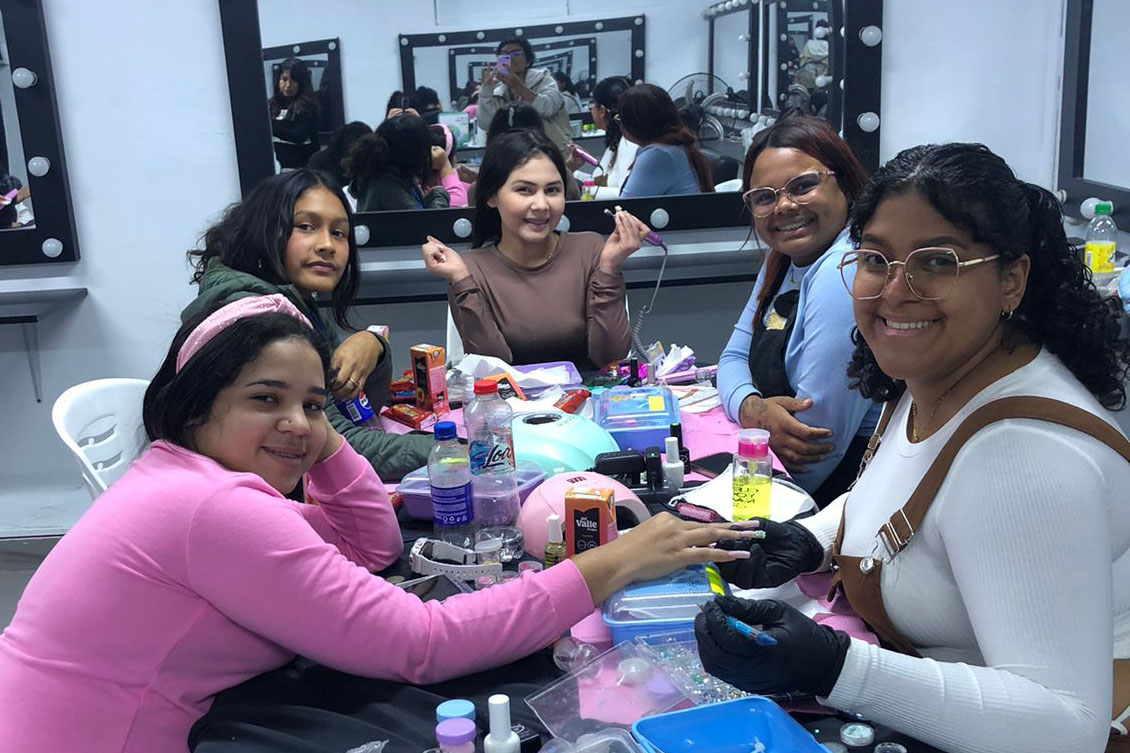
The route included self-knowledge, emotion management, conflict resolution, decision-making, life planning, time management, integration through recreational activities and case referral when risks were identified. Technical courses focused on pastry, manicure, haircutting, office software and social media management.
Technical training and employability for young people
For young people aged 18 to 24, the project offered job counseling and socio-emotional and technical training. Counseling addressed resume preparation, use of employment platforms and preparation for interviews. Training included manicure, pastry, haircutting, Excel and computer skills.
In response to identified demand, DYA expanded coverage to young people aged 18 to 28 in Ica, Lima, La Libertad and Tumbes. This expansion adapted the methodology to an intensive three-month format, with soft-skills sessions, full-day technical courses, in-person and virtual recovery sessions, meals, transportation support and coordination with training centers.
"Yo te cuido" childcare spaces
All training programs included childcare spaces for participants' children. This service facilitated the permanence of mothers, fathers and caregivers in training processes, especially young women with care responsibilities.
Educational permanence and learning recovery
The project supported the educational pathway of children and adolescents through tutoring, academic support and leveling. These programs worked on study habits, school adaptation, communication and mathematics, with attendance monitoring and early alerts to reduce dropout.
Inclusive school environments
DYA developed sessions with Venezuelan and Peruvian adolescents to promote coexistence, reduce xenophobia and strengthen inclusion in schools. The sessions culminated in school initiatives developed by the students themselves.
Accompaniment for families and schools
The team guided mothers, fathers and caregivers on school enrollment, search for vacancies, placement tests, SIAGIE registration and case follow-up. It also provided technical assistance and awareness-raising for teachers, principals and administrative staff.
Target Group
The project served Venezuelan migrant adolescents and young people with needs related to training, employability and educational continuity; young women, adolescent mothers and participants with care responsibilities; children and adolescents outside the education system or with learning gaps; migrant families; Peruvian host population; teachers, principals and education staff.
Unique direct beneficiaries: 8,477 people.
- 5,369 children and adolescents.
- 3,108 adults.
- 6,549 Venezuelans.
- 1,768 Peruvians.
- 160 people of other nationalities.
Indirect beneficiaries: 15,444 people, including families, students in regular classrooms, schools, community organizations and people connected to the services implemented.
Partners and Counterparts
The project was implemented with PADF as the main partner and with a network of schools, Venezuelan community organizations, humanitarian organizations, technical training centers and local allies.
Among the Venezuelan partner organizations were ENGADI, JUSMIVEV, GRAMAV, Asovensol, El Araguaney, Venezolanos Organizados VEO and VENEICA. DYA also coordinated actions with HIAS, Encuentros, Veneactiva, CARE, UNICEF Tumbes, World Vision Tumbes, Prisma Trujillo, IOM, Flora Tristán, CAPS and technical training partners such as SENATI, IPAT and CETPROs.
Financing Organizations
Bureau of Population, Refugees, and Migration (BPRM), in partnership with PADF.
Highlighted Results
Technical training, socio-emotional skills and employability
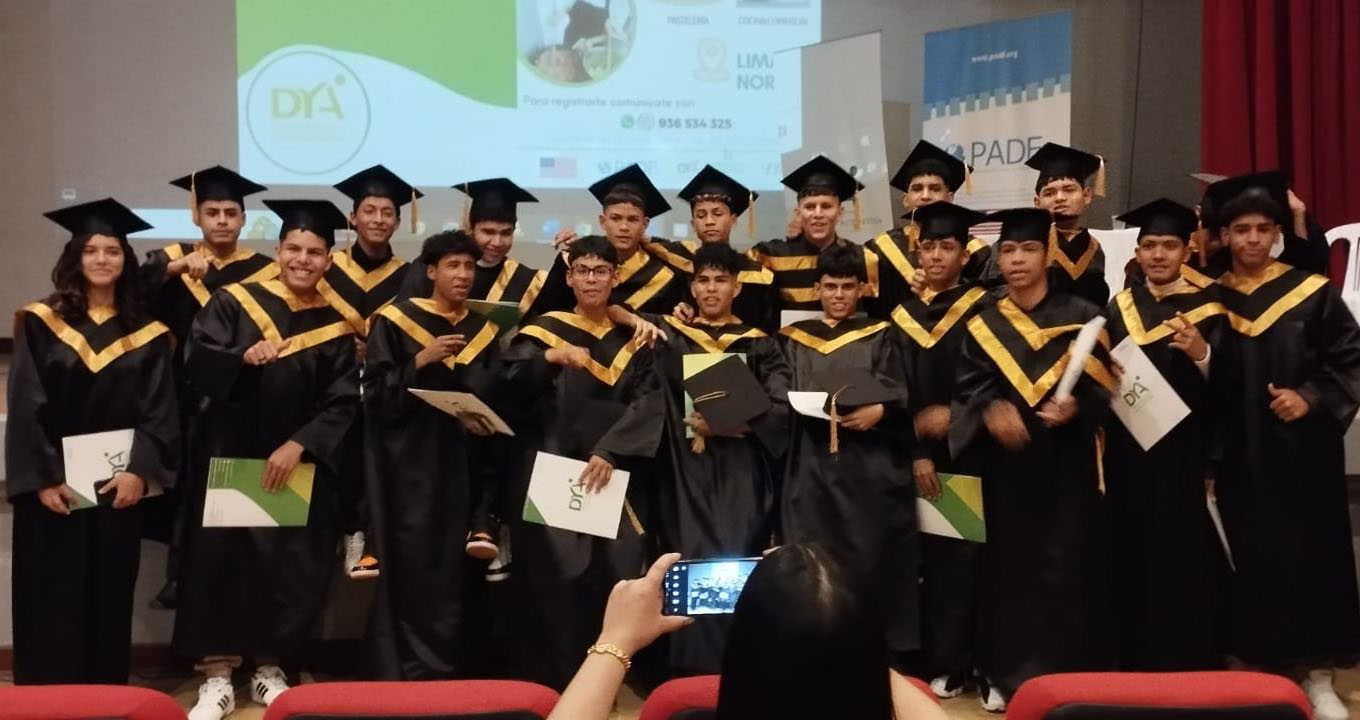
- 330 adolescents aged 15 to 17 participated in socio-emotional and technical training, 110 % of the target.
- 308 adolescents completed the full soft-skills and technical training process.
- 361 young people received job placement counseling, 120 % of the target; 310 were women and almost all were migrants.
- 428 young people aged 18 to 24 accessed socio-emotional and technical training, 143 % of the target.
- 311 young people aged 18 to 24 completed technical training.
- 375 young people aged 18 to 28 participated in the coverage expansion, 125 % of the target.
- 324 young people completed the technical courses in the expansion; 83 % were women.
- 412 mothers, fathers or caregivers used the "Yo te cuido" childcare spaces, facilitating their participation in training processes.
Courses and capacities addressed
- Pastry, manicure and haircutting were the courses with the highest demand among adolescents.
- Manicure, pastry, haircutting, Excel and computer skills concentrated the technical training for young people aged 18 to 24.
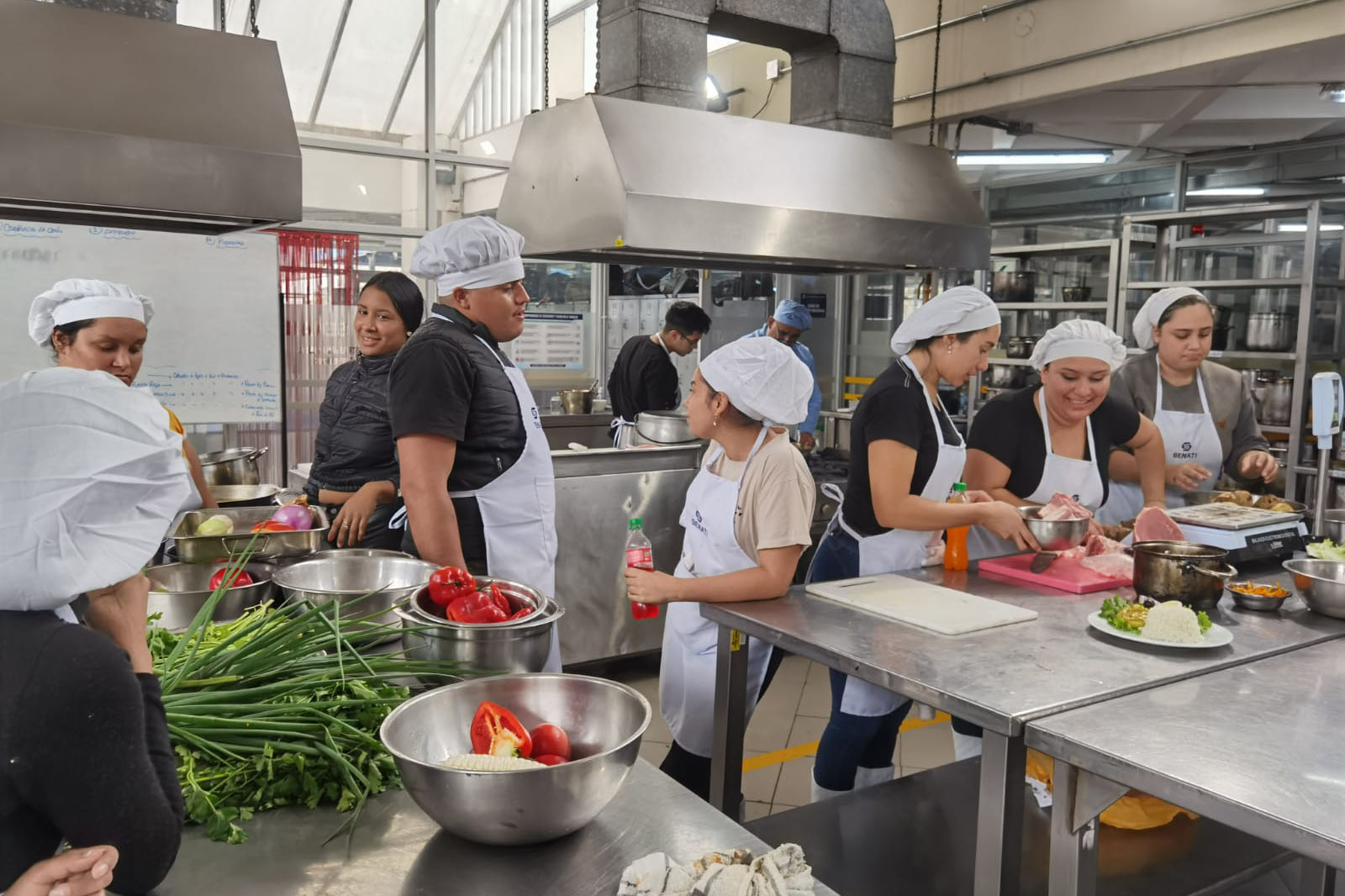
- Pastry, haircutting, commercial cooking and textile production concentrated the expansion for young people aged 18 to 28.
- Socio-emotional skills included self-knowledge, emotion management, conflict resolution, decision-making, life planning and time management.
Educational inclusion and school permanence
- 2,138 children and adolescents were enrolled in the Peruvian education system, 107 % of the target.
- 2,635 children and adolescents participated in tutoring, academic support and leveling.
- 89 % of participants completed the education programs.
- 2,191 mothers, fathers and caregivers received counseling to enroll their children, 183 % of the target.
- 543 adolescents participated in sessions to promote inclusive school environments.
- 109 schools received school kits and 803 teachers and principals were sensitized on human mobility, educational inclusion and learning gaps.