
Three provinces, one shared path to building rights from the ground up
Three provinces, one shared path to building rights from the ground up
DYA Argentina currently runs three projects in Lomas de Zamora, Tucumán and Misiones. Each one responds to a different issue, and all three share the same commitment, that of building the tools and ways of working that each community needs, together with the people who live each issue, and sustaining them over time through partnerships with local institutions.
Behind the three projects lies the same conviction. Every girl, boy and adolescent is a rights holder and the protagonist of their own transformation, not a passive recipient of a ready-made program.
That is why, in Lomas de Zamora, Tucumán and Misiones, each project starts from the same place, a roundtable where the State, schools, community organizations and adolescents themselves come together to design the response each territory needs.
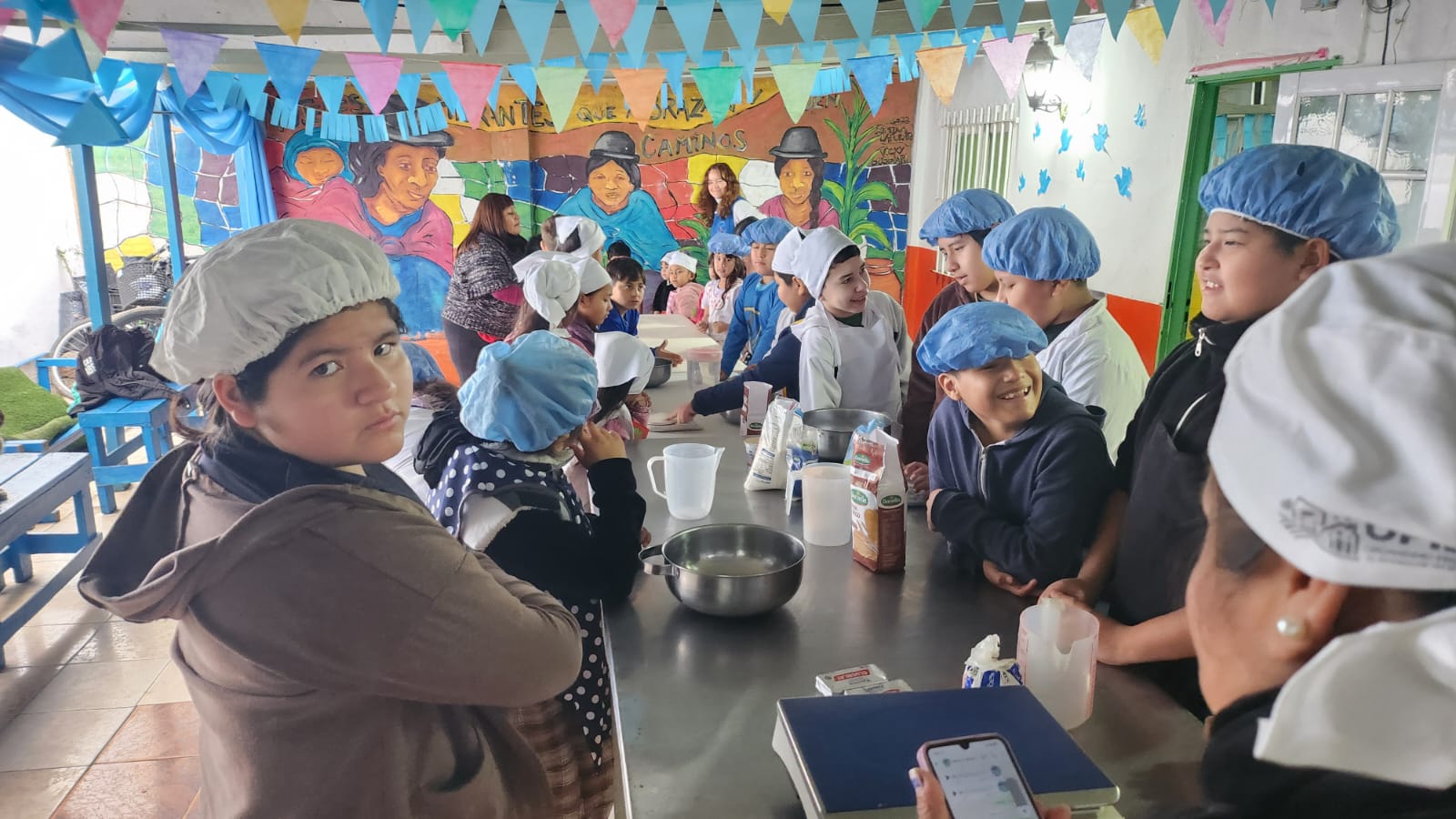
In Lomas de Zamora (Buenos Aires), that roundtable strengthens the capacities that the women of the community organization Wawa Wasi Caritas Alegres have long sustained on their own, the community childcare center, the after-school support program, and the baked goods they produce and sell to fund much of the organization's work. DYA supports that work with training in management, invoicing and organizational strengthening, in partnership with allies such as CALSA and the National University of Lanús, so the organization can sustain it with greater autonomy.
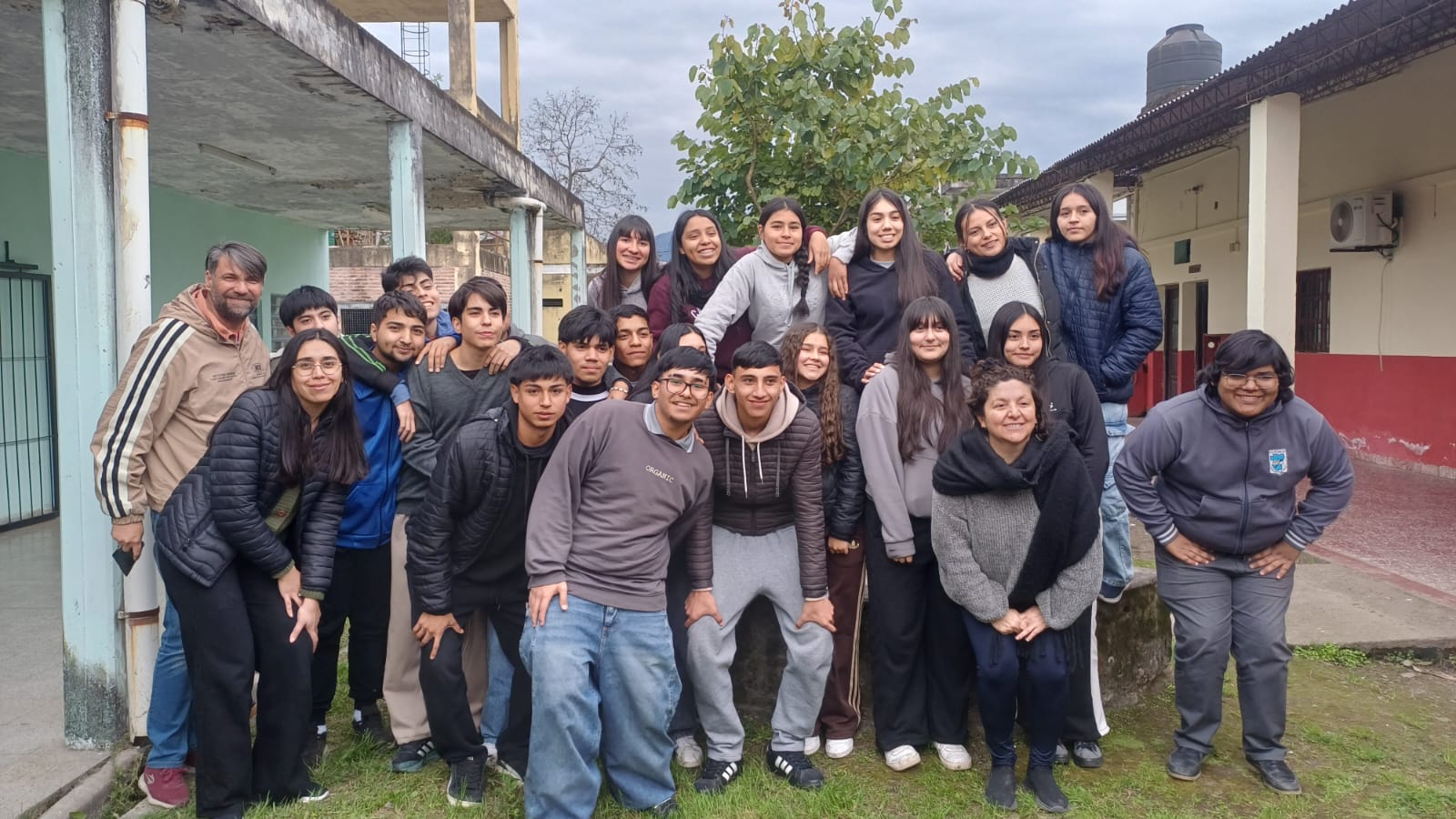
In Tucumán, that same roundtable logic brings together the provincial health system (SIPROSA), schools and other local actors, alongside the adolescents of Santa Lucía, to build a mental health support system designed by the community itself. "The idea is for the kids to give us the fabric and the words, in their own language, their own code, their own color and their own way of putting things," says Betina Castro, DYA's territorial coordinator in Tucumán. That listening process is the foundation the roundtable builds on, month after month, to develop prevention and support strategies.
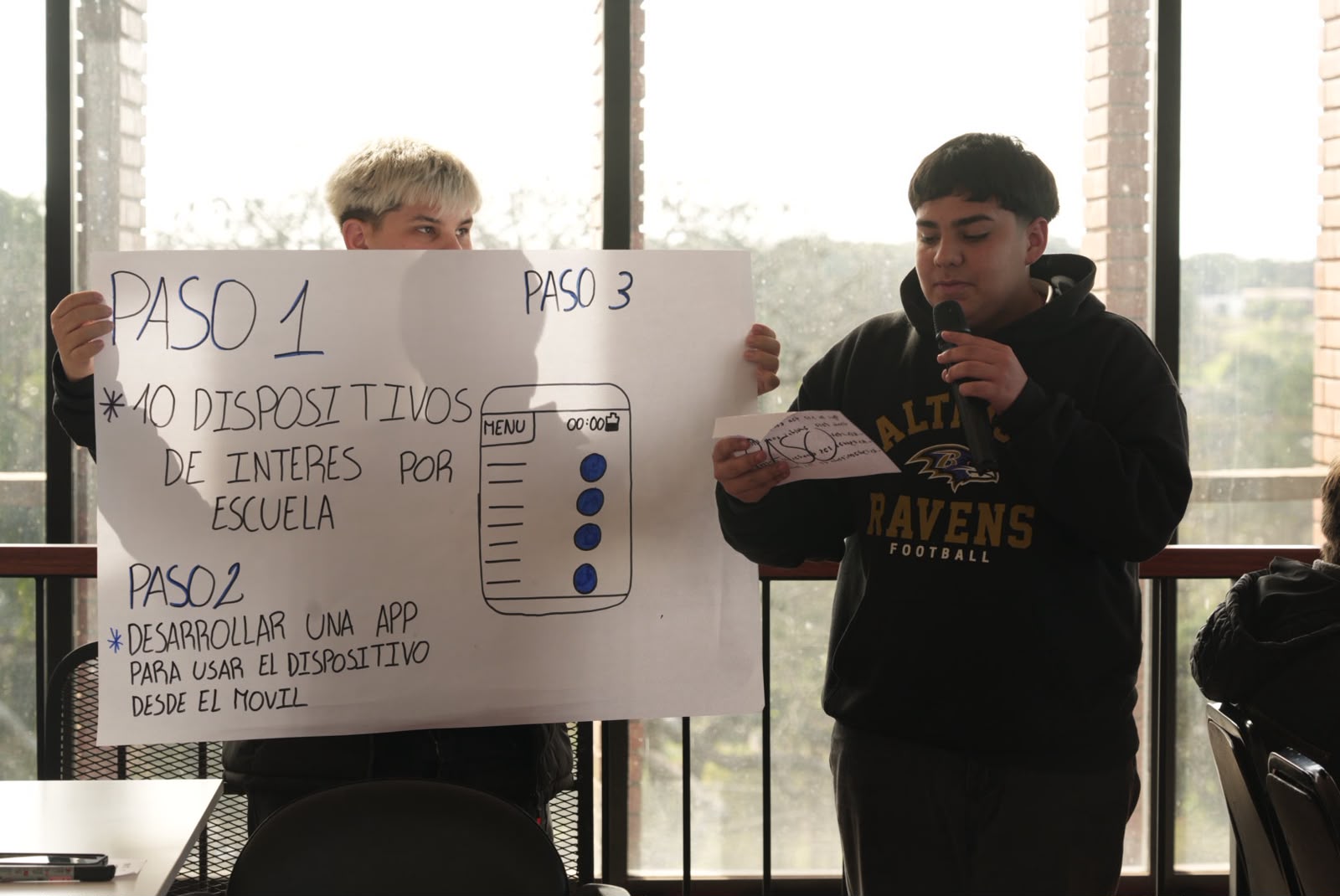
In Misiones, more than a third of households lack access to quality internet, a gap that hits the school trajectories of children and teenagers in rural areas such as Aristóbulo del Valle first. The project brings together the municipality, schools, civil society organizations and researchers from the National University of Misiones to design a digital literacy program built by and for Aristóbulo del Valle. The process aims to build critical digital citizenship, with students and teachers as co-authors of the program from the design stage onward.
Organizational strengthening, education, mental health and digital literacy are all addressed through an approach that defines DYA's work, bringing different actors together, with the State and the community sitting at the same table, decisions built together with the people who live them, and a deeper commitment, that what is built this year can stand on its own, with capacities installed in each territory long after the project ends. The project is implemented under a program funded by the Luxembourg Cooperation through N-PNP.